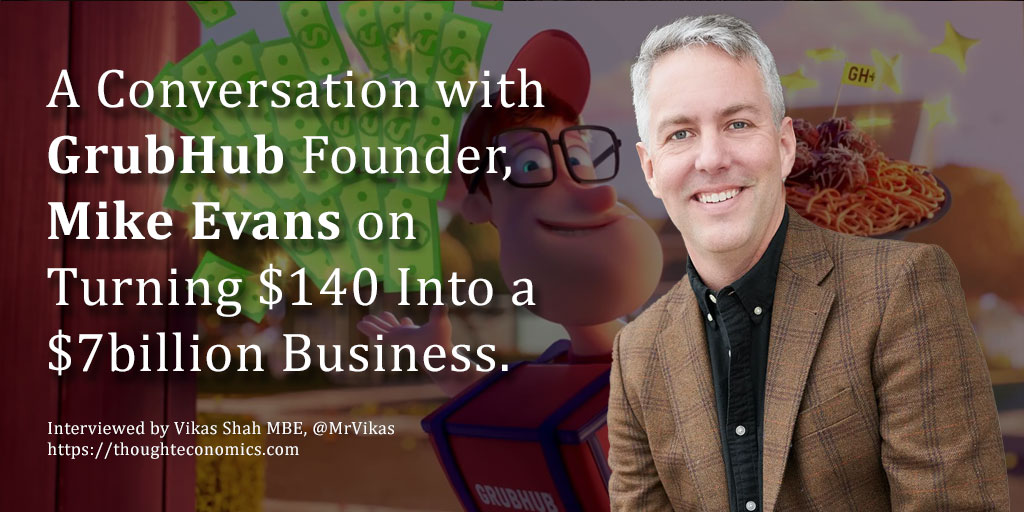
GrubHub's Ethical Dilemma: When Innovation Meets Exploitation, According to Mike Evans
The journey of a startup often begins with a brilliant idea, fueled by passion and a desire to solve a common problem. For Mike Evans, the co-founder of GrubHub, that problem was simple yet universally frustrating: getting a pizza. What started as a personal quest to simplify food ordering online blossomed into a revolutionary platform that fundamentally changed how Americans eat. Yet, as detailed in his candid account, Hangry: A Startup Journey, Evans’s story quickly evolved from one of entrepreneurial triumph to a profound ethical dilemma, highlighting the precarious balance between rapid growth and corporate responsibility.
Evans's narrative serves as a cautionary tale for aspiring founders and a critical reflection for consumers. It delves into the heart of how a company, once celebrated for its innovation, can become a "byword for exploitation" in the very industry it sought to serve. This article explores Mike Evans's turbulent experience, the ethical tightrope GrubHub walked, and the broader lessons for the startup ecosystem regarding mission, profit, and the well-being of stakeholders.
From Napkin Sketch to National Phenomenon: Mike Evans's Vision for GrubHub
In the early 2000s, the internet was a Wild West of possibilities, and ordering food online was anything but streamlined. Frustrated by the cumbersome process of finding and ordering a simple pizza, Mike Evans saw an opportunity. He envisioned a centralized platform where customers could easily browse menus, place orders, and have their meals delivered, all with a few clicks. This simple, elegant solution was the genesis of GrubHub.
The early days were a whirlwind of dedication and sacrifice. Evans recounts "all-day meetings, all-night coding sessions, midnight outages, software bugs, patent lawyers, employees, investors." It was a quintessential startup grind, marked by an "excitement of creating something new" and the immediate gratification of seeing "millions of happy customers" enjoy the convenience GrubHub offered. For Evans, the venture was initially a pathway to personal freedom and stability: he quit his existing job, paid off a "crushing pile of school debt," and felt the satisfaction of building something meaningful. GrubHub's success wasn't just about personal gain; it was about genuinely improving a daily inconvenience for countless people, proving that a brilliant idea, executed with tenacity, could indeed change the way America eats. This period reflects the pure, unadulterated joy of entrepreneurship, where vision and hard work converge to create real value.
The Unsettling Transformation: When Profit Overshadows Purpose
As GrubHub scaled, transforming from a lean startup into a publicly traded behemoth, Mike Evans witnessed a troubling shift. The initial mission of empowering restaurants and delighting customers began to erode under the relentless pressure for profit and market dominance. What was once a collaborative platform, built on mutual benefit, slowly morphed into something Evans describes with horror: a "byword for exploitation" within the restaurant industry. This unsettling transformation became the core of his growing anger and frustration.
The pressure from Wall Street, with its "insatiable appetite for profit," started to dictate GrubHub's trajectory, leading to practices that, in Evans's view, betrayed the company's founding principles. Restaurants, initially grateful for the increased visibility and customer base, found themselves increasingly dependent on GrubHub, often at a significant cost through rising commission fees and stringent contractual terms. Evans worried that his creation was becoming a "trap" and a "necessary evil" for local eateries, rather than a supportive partner. This internal conflict, between the company he started and the corporation it became, took a significant toll on his well-being, leading him to question whether he had inadvertently created a "Frankenstein" – a powerful entity that had grown beyond his control and ethical compass. The founder's dilemma, as Evans experienced it, is a stark reminder of how rapidly scaling ventures can lose their soul if core values aren't rigorously protected against commercial pressures.
The Rage Quit and a Quest for Sanity
The internal struggle to reconcile GrubHub's ethical drift with his initial vision ultimately led Mike Evans to a breaking point. After three years of trying, "quite unsuccessfully," to leave the company he founded, he finally managed to "rage quit." This wasn't a casual departure; it was an exit fraught with "equal parts relief and outrage," a feeling intensified by the sense that "they slammed the door so hard it hit me in the ass on the way out." His resignation, from the very enterprise that had been his life's work for over a decade, underscored the deep disillusionment he felt.
In the immediate aftermath of this monumental decision, Evans found himself in Virginia Beach, far removed from the corporate boardrooms and frantic coding sessions. His chosen accommodations—a "shittiest motel room" with threadbare covers and a strong smell of cleaning products and cigarette smoke—stood in stark contrast to his financial reality. GrubHub's IPO meant he could have afforded "a suite in one of the waterfront hotels" or even "bought one of the waterfront hotels." Yet, this humble setting was intentional, serving a crucial purpose for his "ill-begun adventure." Evans sought to "get grounded, learn patience, find the smile that I lost along the way," and crucially, "figure out how to fix some of the damage I caused." His decision to embark on a cross-country bike ride was a desperate, long-shot attempt to regain his sanity and find new purpose, a testament to the immense psychological toll of his entrepreneurial journey. For a deeper dive into this personal odyssey, read Mike Evans' GrubHub Odyssey: Founding, Fury, and Finding Purpose.
It's worth noting that while our focus here is on the GrubHub founder, another prominent figure, NFL star Mike Evans, shares the same name. For insights into his remarkable career, explore NFL Star Mike Evans: A Decade of Dominance with Tampa Bay.
Navigating the Startup Landscape: Lessons from Mike Evans's Experience
Mike Evans's story offers invaluable lessons for anyone involved in the startup ecosystem, from aspiring founders to seasoned investors and even consumers. His experience highlights the critical importance of embedding ethical considerations and stakeholder well-being into a company's DNA from day one, especially as it scales. Here are some key takeaways:
- Prioritize Purpose Over Pure Profit: While profitability is essential for sustainability, a relentless, singular focus on profit can easily lead to a company straying from its core mission and engaging in practices that harm its partners or customers. Founders must define their "why" beyond just financial gain.
- The Founder's Dilemma: Maintaining Vision vs. Ceding Control: As companies grow and take on outside investment, founders often face immense pressure to compromise on their initial vision. Evans's struggle underscores the challenge of balancing growth with preserving the company's integrity. It necessitates clear communication with investors about core values.
- Beware of Mission Creep and "Frankenstein" Creations: The metaphor of creating a "Frankenstein" is powerful. Founders must continuously evaluate if their creation is serving its intended purpose or if it has developed unintended, potentially harmful consequences that demand immediate redress.
- Build an Ethical Foundation: Integrating strong ethical guidelines and transparent practices from the outset can help safeguard against future exploitation. This includes fair pricing models for partners, clear terms of service, and genuine support for all stakeholders.
- The Importance of Personal Well-being: Evans's journey into a "rage quit" and subsequent quest for sanity illustrates the profound psychological toll that entrepreneurial pressure and ethical compromises can take. Founders must prioritize their mental health and values, recognizing when a path is no longer sustainable.
- Empowerment, Not Dependence: True innovation should empower those it serves, not create a system of unavoidable dependence. Companies should strive to provide services that genuinely uplift their partners, ensuring they remain viable and independent, rather than being squeezed by platform fees.
Conclusion
Mike Evans's candid account of his GrubHub journey is more than just a founder's memoir; it's a powerful and timely commentary on the ethical complexities inherent in the modern tech industry. His story traces the arc from entrepreneurial dream to bitter disillusionment, serving as a stark reminder that innovation, while transformative, carries a profound responsibility. The dilemma of how to balance unprecedented growth and investor demands with fundamental ethical principles remains a pressing challenge for countless startups today. Evans’s experience compels us to consider the true cost of convenience and the moral compass of the companies that shape our daily lives. His quest for sanity and purpose following his departure from GrubHub is a testament to the personal sacrifices made by founders and an urgent call for greater corporate accountability in an ever-evolving digital landscape.